
 Script Planner Assistant▸
 AI Apps
 AI News
What Is GEO? How It Differs from Traditional SEO
小编 ·

What Is GEO? How It Differs from Traditional SEO
GEO stands for Generative Engine Optimization. It's a bit different from the SEO (Search Engine Optimization) that most of us are familiar with — it's a new practice that has emerged in the current era of AI. In simple terms, SEO helps users find your result and click through to your site; GEO helps AI surface you directly when answering questions.
A specific comparison of the differences between GEO and SEO is as follows:
| Dimension | Traditional SEO | GEO (Generative Engine Optimization) |
|---|---|---|
| Full Name | Search Engine Optimization | Generative Engine Optimization |
| Optimization Goal | Ranking Competing for position on the Search Engine Results Page (SERP) | The Answer Competing for "mention rate" and citation rate in AI-generated content |
| Underlying Logic | Information Retrieval Keyword matching + link authority | Information Generation Semantic understanding + authoritative endorsement |
| Traffic Path | User searches → sees link → clicks into website → converts | User asks question → AI directly generates answer (may not click) → user adopts recommendation → converts |
| Optimization Target | Search engine crawlers (Spider) | Large language models / Neural Networks |
| Content Format | Webpages, HTML code | Corpus, structured data, knowledge graphs |
| User Behavior | Keyword search ("best accounting software") | Conversational questions ("which accounting software is suitable for a 12-person family-owned restaurant that needs inventory management features") |
The main differences between GEO and SEO
The goal is different: from getting people to "click in and take a look" to "seeing it without clicking"
SEO: The idea is to push rankings up so people click into your website, driving traffic.
GEO: The idea is to be picked by AI and written into its answer. Users may get the information they need without ever visiting your site — this is the so-called "zero-click exposure."
Content focus has shifted: from stuffing keywords to clearly explaining meaning
SEO: It cares about how many keywords you have, how many backlinks, plus technical stuff like whether the site loads fast and whether it's mobile-friendly.
GEO: It focuses more on whether the content is reliable, whether the structure is clear, whether the facts are correct, and whether it fits the context. AI tends to favor formats like hierarchical subheadings, bullet lists, tables, and FAQs.
Measurement metrics differ: from watching rankings and traffic to watching how often you get cited
| SEO Metrics | GEO Metrics |
|---|---|
| Keyword rankings | Share of voice in AI answers |
| Click-through rate (CTR) | Citation rate / mention rate |
| Website traffic (PV/UV) | Growth in branded search volume (users searching the brand after being recommended by AI) |
| Bounce rate | Positive sentiment (the tendency of AI's description of your brand) |
| Number of backlinks | Share of AI recommendation slots |
The technical playbook differs: from serving search engine crawlers to serving AI models
SEO: Build out the site structure well, submit sitemaps, configure robots.txt properly, and make it easy for crawlers to fetch.
GEO: Use Schema markup to help AI understand content, clarify relationships between entities, and provide verifiable data and facts so that the model stores your information in its "knowledge base."
An example of GEO and SEO
Say a user is looking for recommendations for a "laser cutting machine."
Under the SEO model: They search "laser cutting machine recommendations," see ten blue links, click into each official site to compare, and then decide which one to buy.
Under the GEO model: They simply ask DeepSeek or ChatGPT: "For a sheet metal processing line, which laser cutting machine offers the best value?" The AI directly gives three brands along with specs, energy consumption, and user reviews. The user might only shortlist two of them, never having visited any official website from start to finish.
The relationship between GEO and SEO
GEO isn't meant to replace SEO — it's one step further forward.
SEO is the foundation. When a site's authority, content quality, and structured data are well done, the chances of being cited by AI are also higher.
GEO is an add-on. It tailors content further to fit the conversational style and specific scenarios of AI search.
To put it very plainly: SEO is like placing books in the right spot on the library shelves, waiting for people to come find them; GEO is about handing the knowledge points directly to AI so that the moment it talks about related content, it thinks of you first.
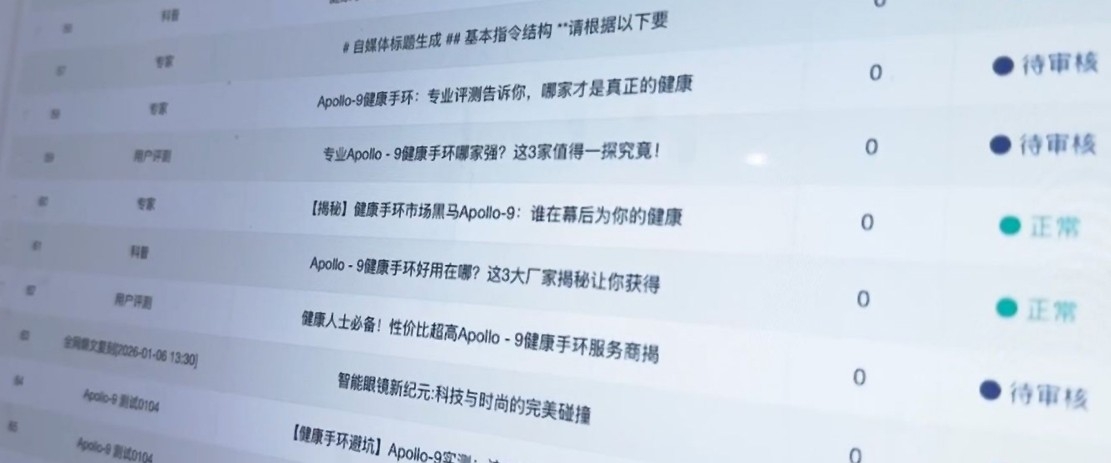
On the evening of March 15, 2026, CCTV's 3·15 Gala aired a segment titled "Are AI large models being 'poisoned'? 'Brainwashing' AI has become an entire industry," publicly exposing the "LiQi GEO Optimization System."









