
 Script Planner Assistant▸
 AI Apps
 AI News
Features, Pricing and Use Cases of OpenAI Voice Models GPT-4o-transcribe, GPT-4o-mini-transcribe, and GPT-4o-mini-tts
小编 ·

Features, Pricing and Use Cases of OpenAI Voice Models GPT-4o-transcribe, GPT-4o-mini-transcribe, and GPT-4o-mini-tts
Openai has launched a new generation of voice models, providing developers with more powerful voice interaction capabilities and supporting the development of voice agents. These models include two speech-to-text models (gpt-4o-transcribe and gpt-4o-mini-transcribe) and one text-to-speech model (gpt-4o-mini-tts). What are their respective features?
1. GPT-4o-transcribe (Speech-to-Text Model)
Features:
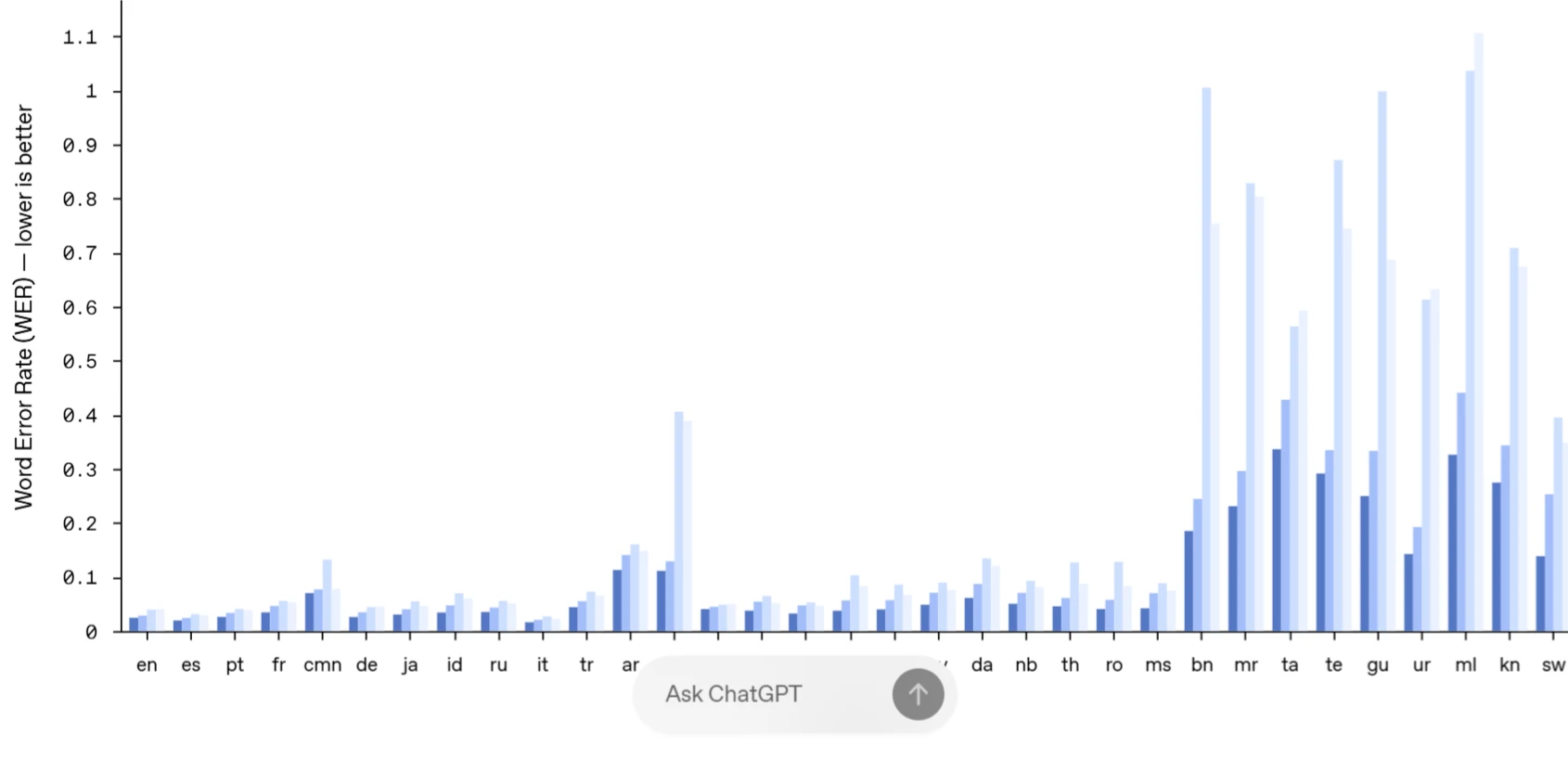
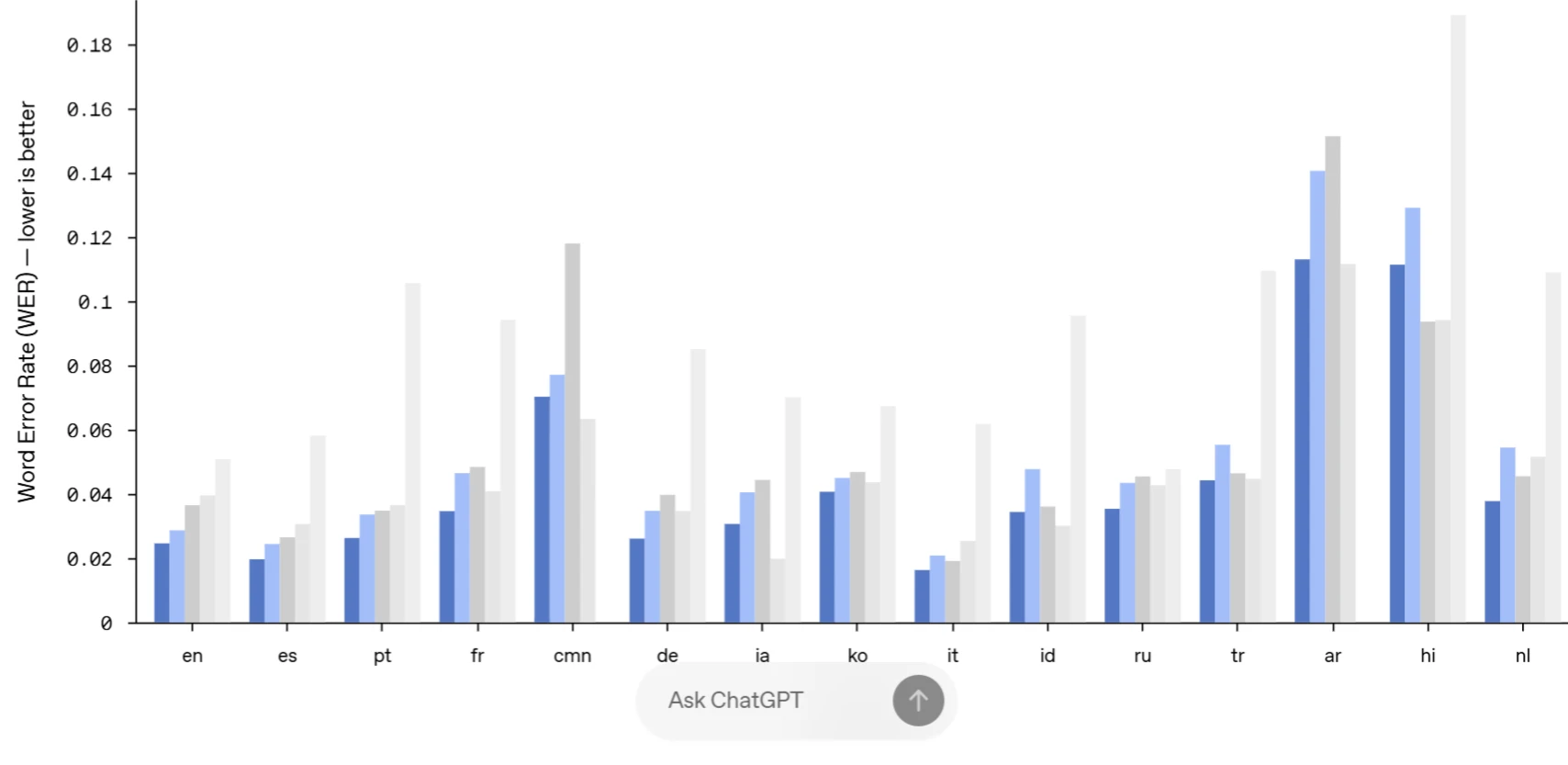
High-Precision Transcription: Trained over an extended period on large, diverse, high-quality audio datasets, it can better capture the subtleties of speech, reduce misrecognition, and significantly improve transcription reliability.
Adaptability to Complex Scenarios: It has strong adaptability to accents, speaking speed, and environmental noise. Even in noisy backgrounds, with heavy accents, or fast speech, it can accurately recognize and transcribe spoken content.
Long Audio Processing Capability: It can handle long audio inputs, making it suitable for scenarios that require continuous long-duration speech transcription.
Use Cases:
Meeting Records: Real-time or post-meeting transcription of spoken content into text, making it easy to organize and review after the meeting and improving work efficiency.
Interview Records: In news interviews, personal interviews, and similar scenarios, quickly and accurately transcribing the interviewer's speech into text for subsequent editing and publication.
Voice Notes: Transcribing the user's voice notes into text, making it easy for users to view and organize them at any time.
Customer Call Centers: Accurately recognizing customer speech and transcribing it into text, helping customer service staff quickly understand customer needs and respond accordingly.
Pricing:
The price per 1 million audio input tokens is $6.00, approximately $0.006 per minute.
2. GPT-4o-mini-transcribe (Lightweight Version of the Speech-to-Text Model)
Features:
High Efficiency and Speed: The model is smaller in size and faster in computation, capable of completing speech transcription tasks in a short time.
Low Resource Consumption: It has relatively low hardware requirements, making it suitable for running on resource-constrained devices.
High Cost-Performance Ratio: Although the word error rate (WER) is slightly higher than the full version, it still outperforms the original Whisper model.
Use Cases:
Voice Input on Mobile Devices: Providing users with fast voice input transcription functionality on smartphones, tablets, and other mobile devices, such as voice-to-text messaging.
Small Voice Applications: Suitable for small voice applications that require quick response rather than extremely high transcription accuracy, such as voice command recognition and simple voice notes.
Resource-Constrained Environments: Providing efficient and cost-effective speech transcription solutions in scenarios with limited computing resources, such as projects by small businesses or individual developers.
Pricing:
The price per 1 million audio input tokens is $3.00, approximately $0.003 per minute.
3. GPT-4o-mini-tts (Text-to-Speech Model)
Features:
Steerability: For the first time, it supports "steerability," allowing developers not only to specify what the model "says" but also to control "how" it says it. For example, you can preset voice styles such as "calm," "surfer," "professional," or "medieval knight," and adjust the voice style based on instructions, such as "speak like a compassionate customer service agent."
Natural and Fluent Voice: The generated voice is natural, fluent, and expressive, capable of producing corresponding vocal expression based on the text content and preset style.
Multilingual Support: It supports text-to-speech in multiple languages, meeting the needs of users in different languages.
Use Cases:
Audiobooks: Converting text books, articles, and other written content into audio, providing users with a more vivid and engaging reading experience.
Intelligent Customer Service: Providing voice synthesis functionality for intelligent customer service systems, enabling customer service bots to interact with users in a natural, expressive voice, enhancing the user experience.
Voice Broadcasting: Converting text content into speech for broadcast in scenarios such as news reporting, weather forecasts, and traffic broadcasts.
Creative Content Production: In creative storytelling, advertising production, video voiceover, and other fields, generating voices with specific styles and emotions based on different creative needs.
Pricing:
The price per 1 million text input tokens is $0.60, and the price per 1 million audio output tokens is $12.00, approximately $0.015 per minute.
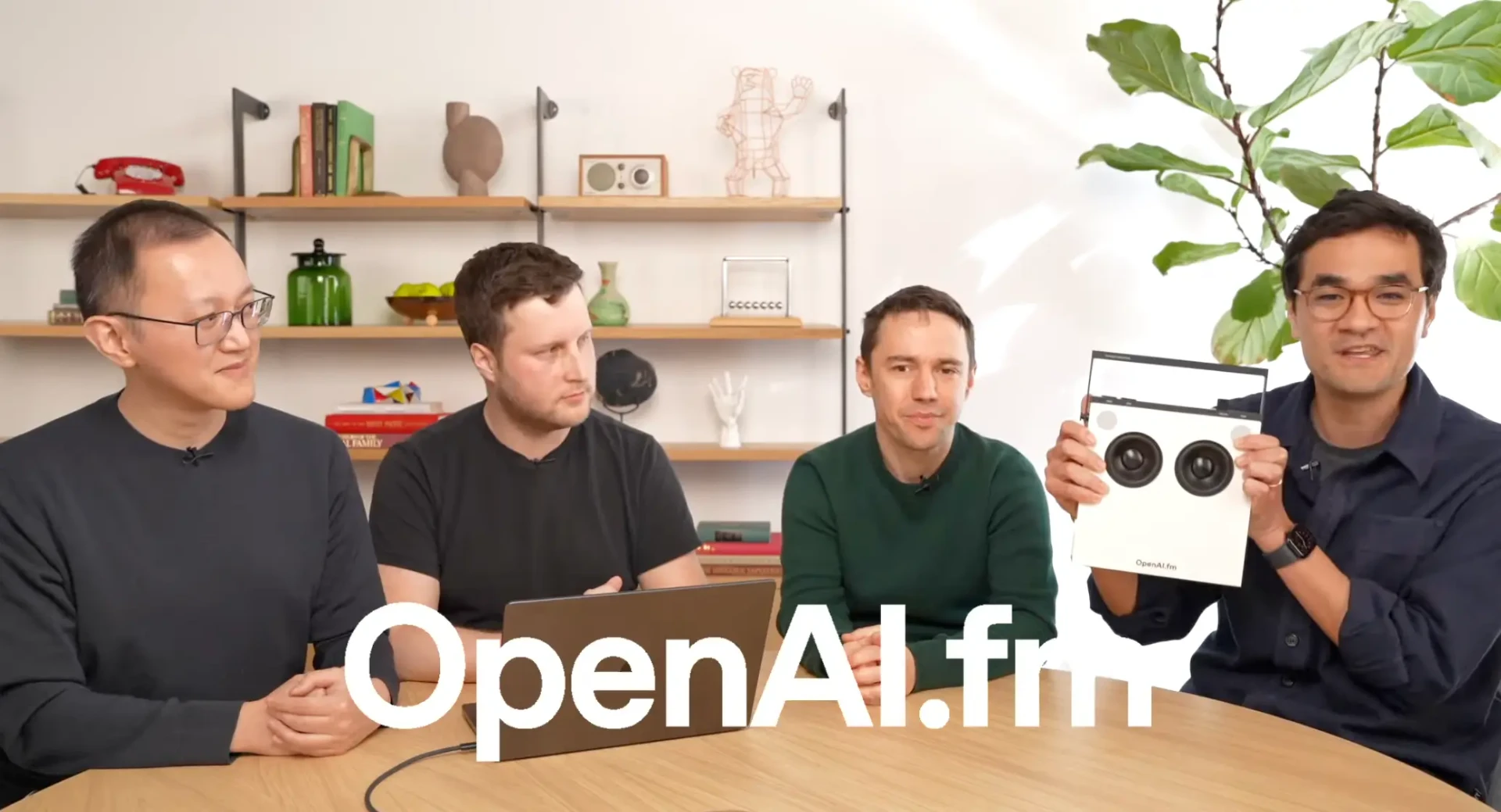
Models such as GPT-4o-transcribe are now available to developers through OpenAI's API, making it very easy to integrate into applications with just a small amount of code. Developers can choose the model that best fits their functional and environmental needs, and can also visit the official website to try it out.
Official Website:http://open ai.fm/
Blog:https://openai.com/index/introducing-our-next-generation-audio-models/









