
 Script Planner Assistant▸
 AI Apps
 AI News
DeepSeek vs Kimi vs Doubao: Which AI Is Better?
小编 ·

DeepSeek vs Kimi vs Doubao: Which AI Is Better?
In today's AI model market, DeepSeek, Kimi, and Doubao are all outstanding AI models, but each has its own unique strengths and use cases, catering to different types of users. As for which one is better, you can make your choice based on the product features of these three products listed below.
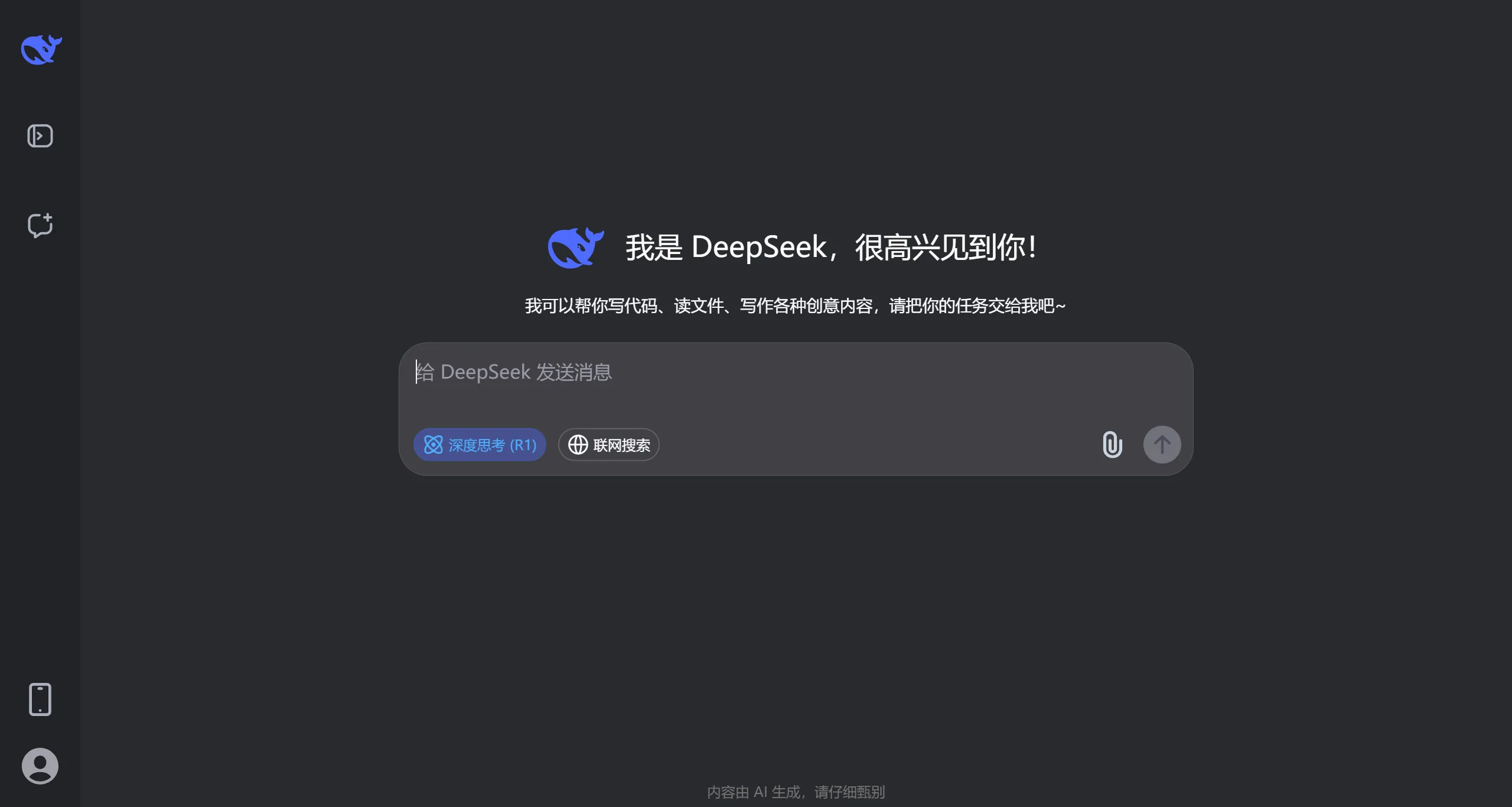
DeepSeek focuses on intelligent search and knowledge management, making it ideal for users who need to efficiently access information. It excels in logical analysis and information integration, and is especially suitable for tech-savvy users and scenarios that require in-depth analysis. DeepSeek performs exceptionally well in solving technical problems, code generation, and deep knowledge, making it particularly suitable for tech enthusiasts and developers who demand high precision and professionalism. Its DeepSeek-R1 model uses fewer resources and lower costs while achieving very high performance, comparable to top-tier international AI models like GPT-o1. DeepSeek is skilled at multi-task processing and complex reasoning, able to quickly generate answers with extremely fast response times. In terms of application scenarios, DeepSeek is especially suitable for users who need to handle complex tasks and have high requirements for multi-task processing capabilities, such as developers and data analysts. In addition, DeepSeek offers excellent value for money, with low costs for individual users and small-to-medium enterprises, and its open-source nature provides developers with broad space for innovation — most importantly, it's free to use.
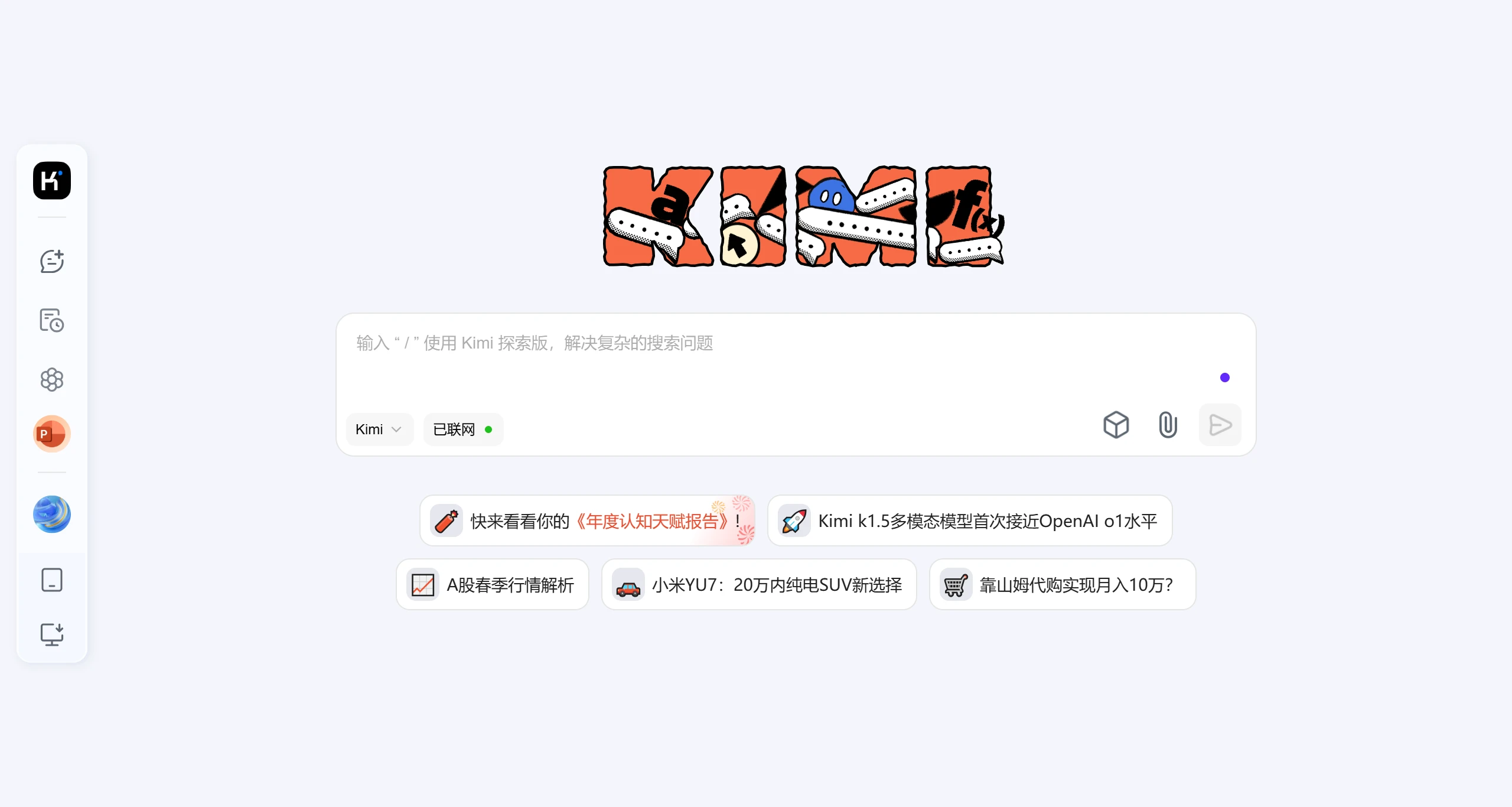
Kimi excels in long-text processing and multimodal reasoning, and is especially suitable for handling large-scale text data. Kimi can process up to 2 million characters of text in a single session, making it ideal for researchers and writers who need to analyze and summarize large volumes of literature. For Chinese-speaking users and those who need to process large amounts of text, Kimi is undoubtedly a powerful assistant. Kimi's performance in academic research and long-text analysis is undoubtedly outstanding. However, it sometimes falls short in precision when answering complex questions, and its logical rigor may not match that of DeepSeek. Kimi also offers a free version, although its advanced features require a paid subscription.
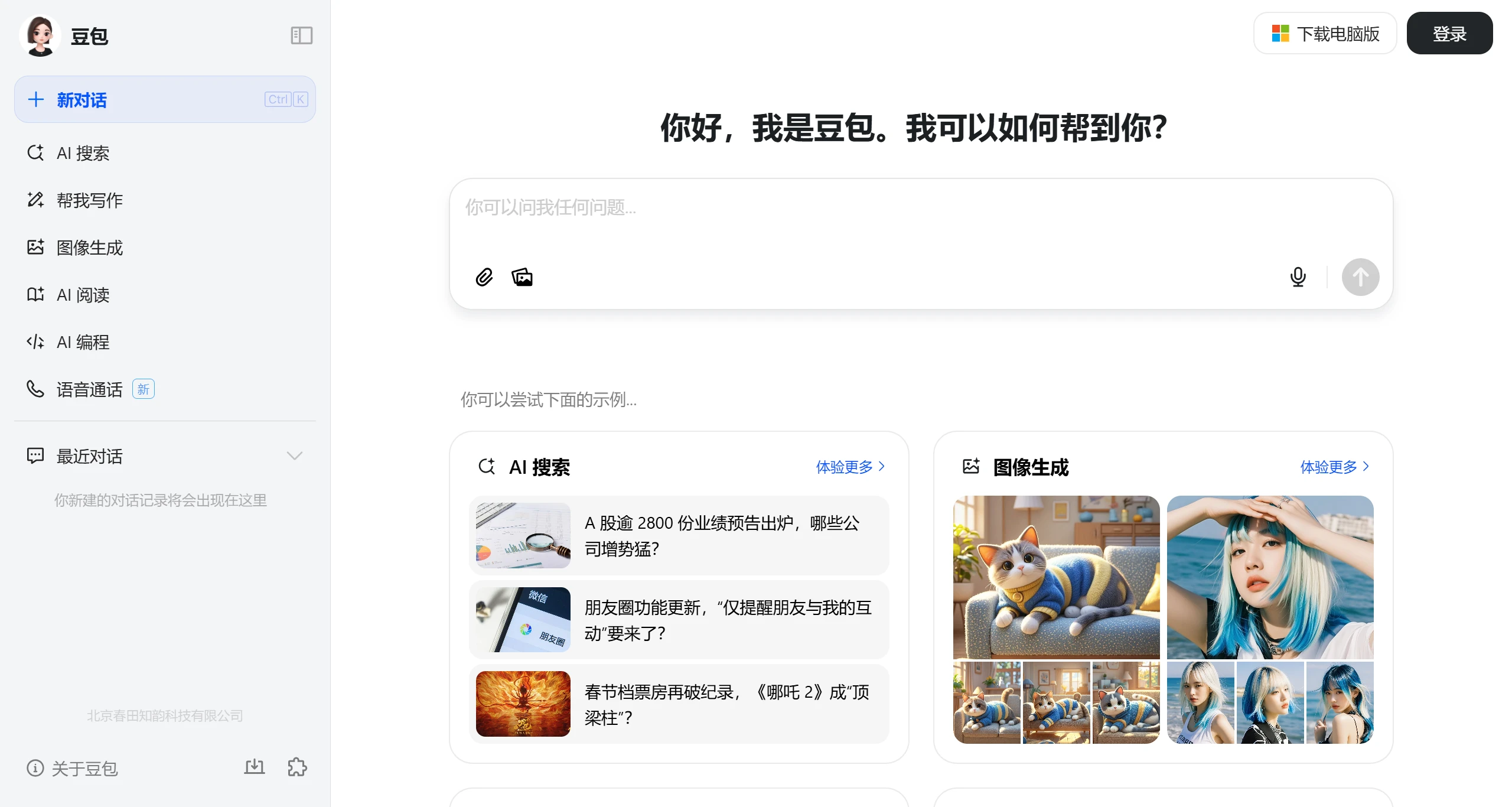
Doubao AI, on the other hand, holds a significant advantage in multimodal processing capabilities, capable of handling images, text, AI programming, AI search, and other types of data, providing users with a personalized intelligent experience through multimodal interaction. When users upload images, Doubao can generate related descriptions or stories, greatly enriching the user experience. Doubao's natural language understanding is also highly accurate, able to capture multiple layers of meaning and true intent in sentences, and provide appropriate emotional interaction feedback. In terms of application scenarios, Doubao is suitable for creative workers and users seeking personalized experiences, tailoring bespoke intelligent experiences by mining user data. However, it may fall short when dealing with complex problems.
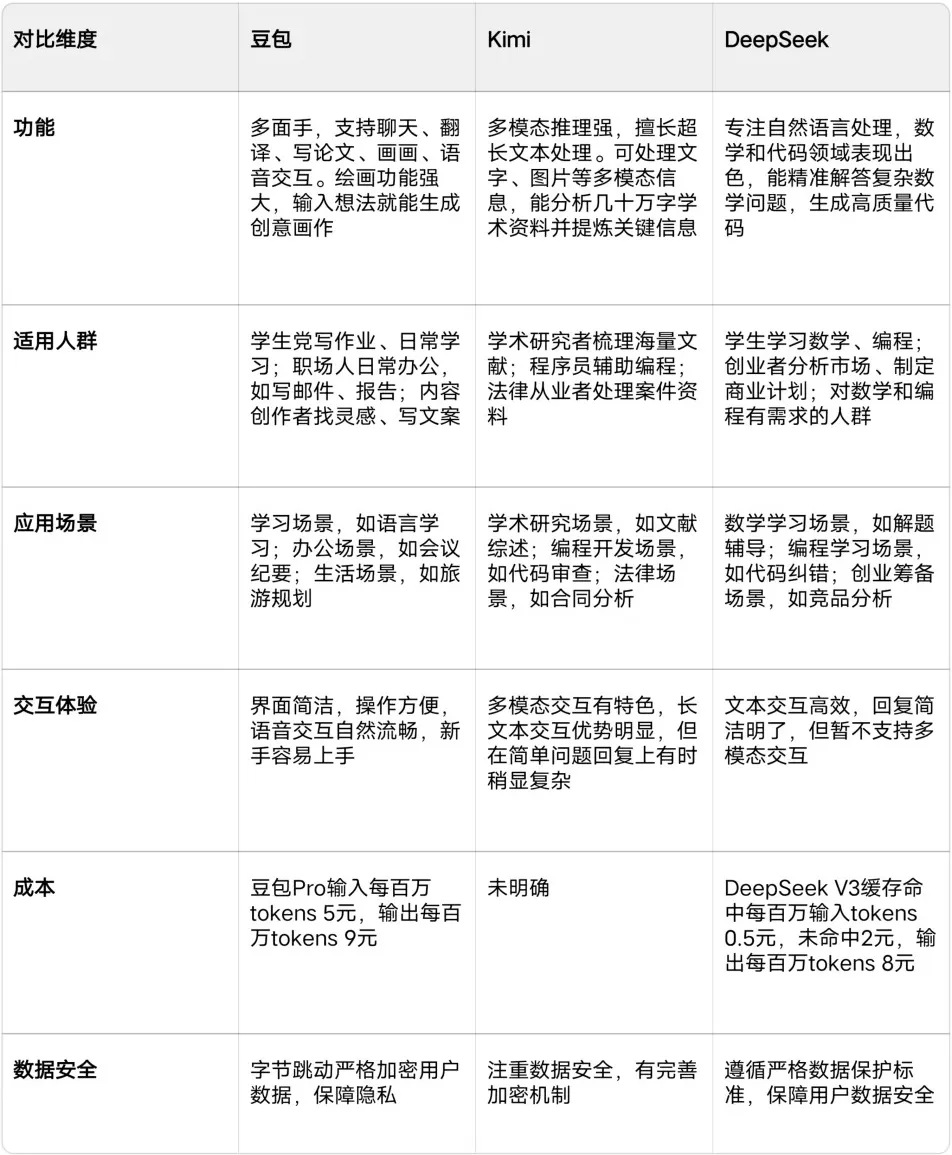
Therefore, which is better — DeepSeek, Kimi, or Doubao AI? It mainly depends on your specific needs. If you need efficient information retrieval and analysis, DeepSeek is a great choice; if you prioritize smart assistant features for daily life, Kimi may be a better fit; and if you are an art creator, Doubao is an ideal tool. You can also combine any two of these products to use together. Each product has its own unique strengths, and you can choose based on your own needs.









