
 Script Planner Assistant▸
 AI Apps
 AI News
How Does Fish Speech Compare to Other TTS Models Like Google's Tacotron or Amazon Polly?

How Does Fish Speech Compare to Other TTS Models Like Google's Tacotron or Amazon Polly?
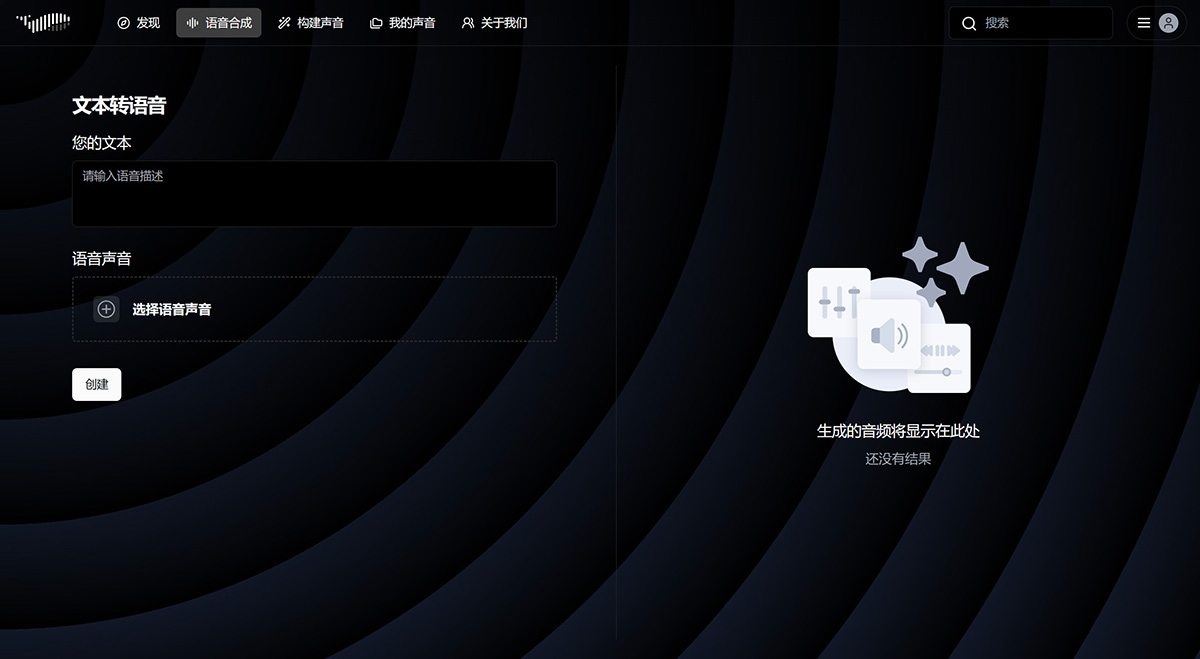
Fish Speech, Google's Tacotron, and Amazon Polly are all advanced text-to-speech (TTS) systems, each with its own unique features and advantages.
Key Features
Fish Speech: Developed by Fish Audio, Fish Speech supports multiple languages including English, Chinese, and Japanese. It offers advanced TTS capabilities and is renowned for its natural-sounding voice. Fish Speech requires a GPU with at least 4GB of memory for inference and 16GB of memory for fine-tuning. It incorporates features influenced by several projects such as VITS2 and GPT-SoVITS.
Google's Tacotron: Tacotron is an RNN + attention-based model that converts text into spectrograms, which are then converted into speech. It is renowned for its high-quality voice output and dynamic speaking range (prosody). Google's Wavenet is an extension of Tacotron, capable of delivering even more lifelike voices thanks to its advanced deep learning techniques.
Amazon Polly: Amazon Polly uses deep learning technology to convert text into lifelike speech. It supports multilingual speech synthesis, pitch and speed control, and provides timestamps for each word to enable precise synchronization. Polly is appreciated for its ease of use and integration with AWS services.
Voice Quality
Fish Speech: The voice it provides sounds very natural. The current stable version is Fish Speech 1.1.2.
Google's Tacotron/Wavenet: Generally delivers superior voice quality compared to Polly, particularly in fiction and non-fiction categories. Wavenet's dynamic speaking range makes it more lifelike.
Amazon Polly: Provides voices that sound natural, but may occasionally have unnatural tonal shifts. It is praised for its scalability and quick response times.
Customization and Integration
Fish Speech: Offers an online demo and supports both Linux and Windows systems. Users can install the environment via batch scripts available on Windows.
Google's Tacotron/Wavenet: Provides high-quality voices supporting a variety of languages and accents. However, users have reported difficulties with the SDK, particularly regarding concurrency support and error handling, though it's unclear whether these have been improved now.
Amazon Polly: Offers seamless integration with AWS services, ease of use, and scalability. It provides timestamps for each word, but lacks the voice cloning capabilities available in Google Cloud TTS.
Cost
Fish Speech: Open source, with the model released under the CC-BY-NC-SA-4.0 license.
Google's Tacotron/Wavenet: More expensive than Polly, with a free tier that extends indefinitely after the first year.
Amazon Polly: Offers competitive pricing, free for the first 12 months; thereafter, the cost is $16 per million characters.
Summary
In summary, Fish Speech stands out due to its multilingual support, open-source nature, and natural-sounding speech. Google's Tacotron/Wavenet excels in voice quality and lifelike sound. Amazon Polly offers strong integration with AWS services and competitive pricing, but may not deliver voice quality as high as Google's products.









