
 Script Planner Assistant▸
 AI Apps
 AI News
V2A: Google's Tech for Auto-Generating Audio Synced to Video Content

V2A: Google's Tech for Auto-Generating Audio Synced to Video Content
Google DeepMind recently released a technology called V2A (Video-to-Audio), which can automatically generate audio synchronized with video content based on video footage and text descriptions. In other words, it can automatically perform dubbing and add background music to AI videos. This allows users to generate background music and ambient sound effects through text descriptions, automatically creating audio tracks that sync with the video content. This includes background music, ambient sound effects, and even dialogue that matches the video content.
Video generation models are developing at an astonishing pace, but current video generation models can only produce silent output. V2A technology has emerged as a promising method to bring generated films to life.
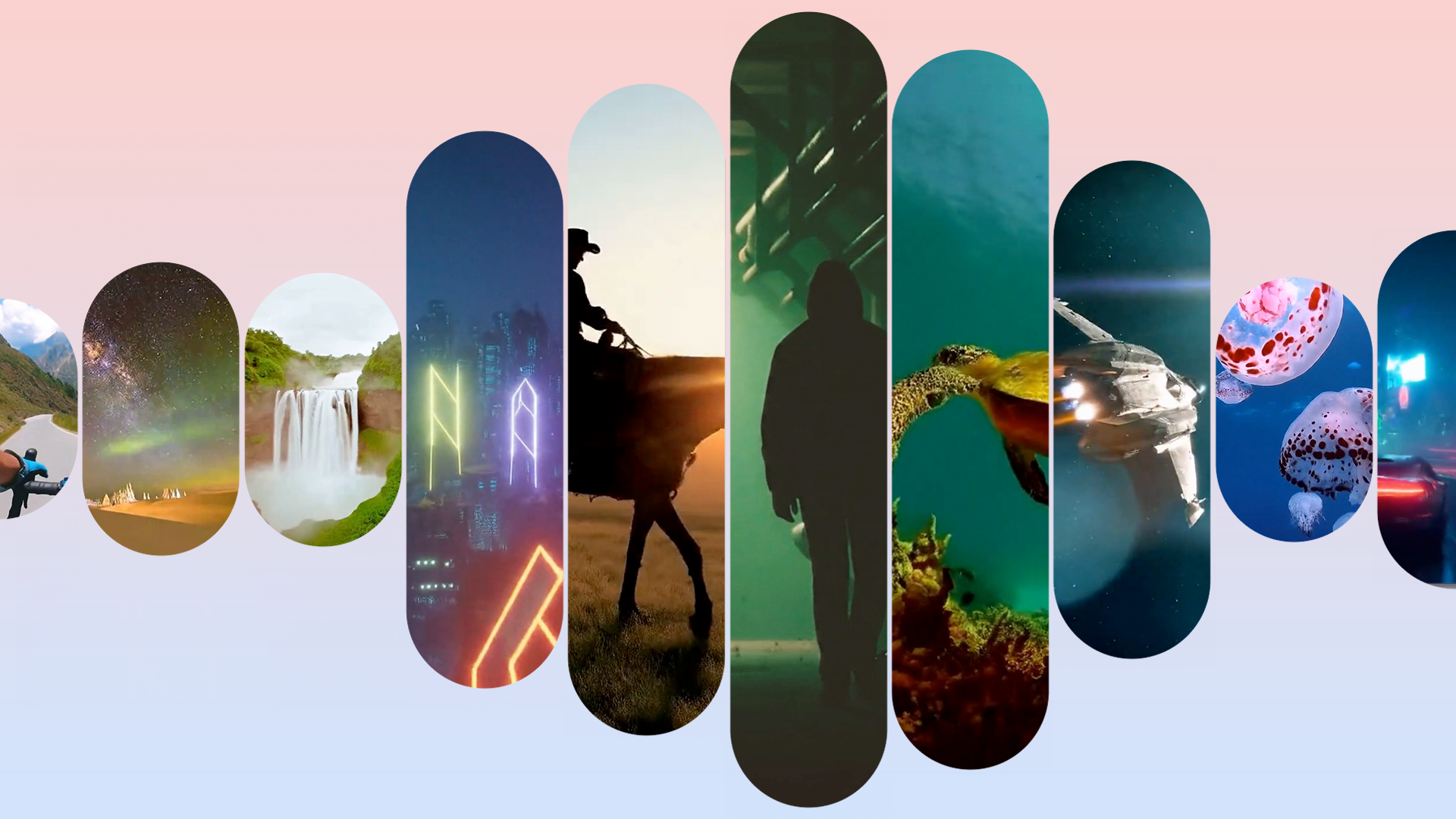
V2A Main Features
Audio Generation: V2A can automatically generate audio tracks synchronized with video content based on video footage and user-provided text descriptions.
Synchronized Audio: V2A ensures that the generated audio perfectly syncs with the video content, eliminating any delay or misalignment between video and audio.
Diverse Audio Tracks: Users can generate an unlimited number of audio tracks for any video, experimenting with different combinations of sound effects.
Creative Prompts: V2A supports "positive prompts" and "negative prompts" features, allowing users to precisely control the generated audio effects.
High-Quality Audio: By incorporating detailed sound descriptions and dialogue transcripts during training, the generated audio tracks are realistic and expressive.
Automated Processing: The V2A system does not require manual alignment of generated sounds with video, reducing the tedious work of adjusting audio, visual, and temporal elements.
How V2A Works
Input Video and Text Description: The user provides video and text description as input.
Video Encoding: The system converts the video into a format that AI can process.
Audio Generation: The AI model starts from random noise and progressively generates audio that matches the video and text description.
Audio-Video Composition: The generated audio is combined with the video to form a complete audio-visual file.
Adjustment and Control: Users can provide additional prompts for adjustments to meet special needs.
V2A Technology Development
Although V2A technology has already shown tremendous potential, the DeepMind team continues to refine and improve this technology. Current research directions and improvement goals include:
Audio Output Quality Improvement: Ensuring consistent and high-quality audio output across various video qualities.
Lip Sync Improvement: Improving lip sync in dialogue videos to ensure generated speech perfectly matches the characters' lip movements.
Handling Video Distortion: Addressing audio generation issues when video is distorted or content falls outside the model's training data distribution.
Safety and Transparency: Conducting rigorous safety evaluations and testing to ensure the technology's safety and transparency.
V2A has wide-ranging applications, with limitless possibilities from social media content creation to audio design for films and advertisements.
What makes V2A technology unique is its ability to understand raw pixels in video and automatically synchronize generated sound with the video. Currently, V2A attempts to generate speech that syncs with characters' lip movements through input dialogue text, but sometimes the lip movements in the video do not perfectly match the generated speech. DeepMind is working on improving this aspect.
Details: https://deepmind.google/discover/blog/generating-audio-for-video/









