
 Script Planner Assistant▸
 AI Apps
 AI News
Future You: Chat with Your Future Self
小编 ·

Future You: Chat with Your Future Self
Chat bots now impersonate friends, romantic partners, and deceased loved ones. Now we can add another one to the list: your future self.
"Future You" from the MIT Media Lab is an interactive, single-session digital chat intervention system where users can upload a photo of themselves and the system generates what they will look like at age 60. It then creates a detailed future story based on their personal information and future aspirations. Users can then have a real conversation with this virtual future self.
Future You aims to help people reduce anxiety and negative emotions by conversing with an AI-generated future self, while enhancing positive expectations about the future.
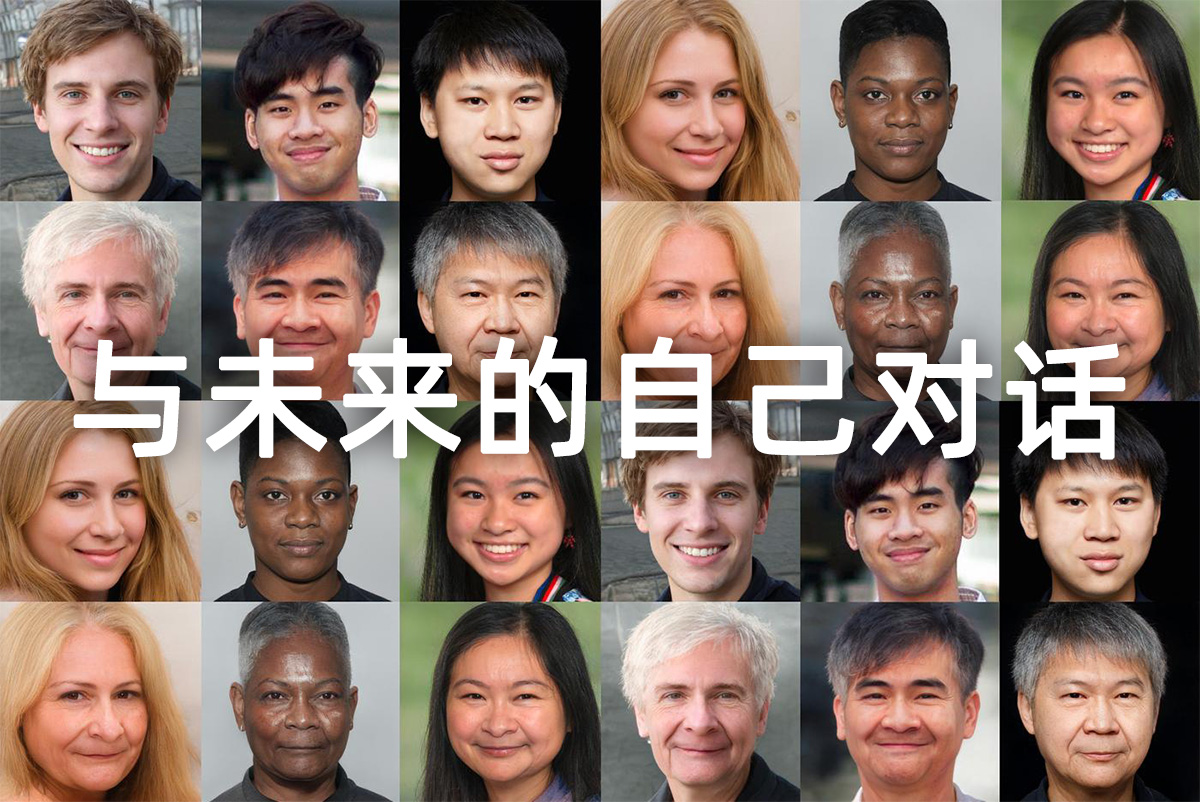
The project invited young people aged 18 to 30 to chat with a 60-year-old artificial intelligence simulation. These simulated lives are powered by personalized chatbots and include AI-generated images of older selves, answering questions about their experiences, sharing memories, and offering lessons learned over the decades.
In a paper, the researchers said participants found the experience emotionally beneficial. It helped them feel more closely connected to their future selves, think more positively about the future, and increase motivation to work toward future goals.
"The goal is to promote long-term thinking and behavior change," Pat Pataranutaporn of the MIT Media Lab told The Guardian. "This can motivate people to make smarter choices in the present to optimize their long-term well-being and life outcomes."
The researchers wrote in the paper that chatbots are increasingly gaining a foothold in therapy as a way to reach underserved populations. But they are typically rule-based and specific, meaning hardcoded to help treat conditions like autism or depression.
Here, the team decided to test generative AI in an area called future self-continuity—our connection to our future selves. For decades, building and interacting with a concrete image of yourself has been shown to reduce anxiety and encourage positive behaviors that take your future self into account, like saving money or studying harder.
Existing exercises to strengthen this connection include letter-writing exchanges with your future self, or interacting with digitally aged avatars in VR. Both have produced positive results, but the former depends on a person's willingness to invest effort in imagining and animating their future self, while the latter requires a VR headset that most people don't have.
This inspired the MIT team to develop a more accessible web-based approach by combining the latest chatbots with AI-generated imagery.
Participants provided basic personal information, past highs and lows in their lives, and a sketch of their ideal future. Then, using OpenAI's GPT-3.5, the researchers used this information to create custom chatbots with "synthetic memories." In one example in the paper, a participant wanted to teach biology. So the chatbot took on the role of a retired biology professor—full of anecdotes, proud moments, and advice.
To make the experience more realistic, participants submitted images of themselves that the researchers aged using AI and added as the chatbot's profile picture.
More than 300 people signed up for the study. Some were in a control group, while others were invited to have 10- to 30-minute conversations with their future chatbot. After the chats, the research team found that participants had lower anxiety levels and a deeper sense of connection with their future selves—which has been shown to translate into better decisions, from health to finances.
The interdisciplinary team behind FutureYou is helmed by the MIT Media Lab and comprises people from MIT, Harvard, UCLA, and KASIKORN Lab.









